

If a social media crisis is erupting right now, do three things in this order: acknowledge publicly that you’re aware and looking into it, activate your crisis team, and publish a short holding statement within the hour. Do not wait for a perfect message. A vague but honest acknowledgment posted in ten minutes beats a polished statement posted in three hours.
Work through this immediately:
- Pause all scheduled posts across every platform, including anything queued by a third-party tool.
- Lock down account access and confirm no unauthorized admin changes are in progress.
- Notify your crisis lead and monitoring lead by phone, not Slack.
- Publish a holding statement on your primary channel: “We’re aware of [issue] and are looking into it. We’ll share an update by [specific time].”
- Loop in legal backup if the incident touches safety, discrimination, or financial claims.
Your first calls go to three people: the crisis lead (final say on messaging), the monitoring lead (tracking volume and sentiment), and legal backup (reviewing anything with liability exposure).
Key Takeaways
Effective social media crisis management depends on pre-built templates, a clear escalation matrix, and a response published within the first hour, not the first day.
| Point | Details |
|---|---|
| Act in the first 15 minutes | Pause scheduled posts, secure accounts, and alert your crisis lead before drafting a single word. |
| Publish a holding statement fast | Post something honest within 20 minutes; wait for perfect wording and you lose the narrative. |
| Use the newsroom for depth | A structured 90-minute update on your owned site shapes AI and media coverage more than social posts alone. |
| Triage before you escalate | Combine volume spikes, sentiment drops, and authoritative amplification to decide what’s a real crisis. |
| Rehearse the plan twice a year | Live tabletop drills expose gaps, like unclear sign-off chains, that a written plan never reveals. |
| Build readiness with a partner | Depechecode’s social media management and newsroom support help teams operationalize a plan before a crisis hits. |
Table of Contents
- Why Social Media Crisis Management Matters More in 2026
- What Counts as a Social Media Crisis?
- How Do You Build a Social Media Crisis Plan?
- How Do You Respond to a Social Media Crisis Step by Step?
- What Happens After a Social Media Crisis Ends?
- Ready-to-Copy Templates and a 24-Hour Checklist
- Pro Tips, Common Mistakes, and Red Flags
- How This Guide Was Built
- What a Good Crisis Drill Actually Reveals
- How Depechecode Supports Social Media Crisis Readiness
- Sources
- FAQ
Why Social Media Crisis Management Matters More in 2026
Social media crisis management is the discipline of detecting, responding to, and recovering from reputation threats on public platforms before they metastasize into full-blown brand damage. Speed decides the outcome more than message quality does. A company that responds within the first hour with an imperfect but honest statement typically retains more customer trust than one that waits a full day for legal to bless a perfect paragraph.
The compression is structural, not just cultural. AI-powered listening tools and automated alerts now catch sentiment drops and volume spikes earlier than any human scanning a dashboard, which means your competitors, journalists, and customers are seeing the spike about as fast as you are, according to Sprinklr’s crisis management research. Search engines and AI summarization tools also index company newsroom pages and press statements almost in real time, meaning what you publish on owned channels in the first hour can shape how AI-generated answers describe the incident for weeks afterward.
The practical consequence: a plan that lived in a shared drive and was never rehearsed is functionally the same as no plan. Teams that treat social response as a real-time operations problem, not a communications afterthought, protect revenue and customer retention that a slow, committee-driven response cannot.
What Counts as a Social Media Crisis?
A social media crisis is a surge of negative attention that threatens brand trust, revenue, or safety and requires a coordinated response beyond routine customer service. Not every angry comment qualifies, and treating routine complaints like five-alarm fires burns out your team fast.
Severity generally falls into three bands:
- Minor: A handful of complaints about a shipping delay or a product glitch. Handle it through normal support channels.
- Moderate: A viral complaint thread, a mildly controversial post gaining traction, or a local news mention. Monitor closely and prepare a statement, but don’t necessarily activate the full team.
- Major: A data breach, a discriminatory incident caught on video, a safety failure, or coverage from a major outlet or verified influencer. Activate the full crisis plan immediately.
Use these signals to triage: a sudden volume spike in mentions, a sharp sentiment drop on your monitoring dashboard, and amplification by an authoritative account (a journalist, regulator, or influencer with real reach). Two or more signals firing together means escalate now, not after the next meeting.
Once you’re responding, the CIPR’s “five Cs” framework gives a quick tone check: show genuine Concern, communicate with Clarity, demonstrate Control of the situation, project Confidence without arrogance, and display Competence in how you’re handling it.
How Do You Build a Social Media Crisis Plan?
A workable plan needs five components in place before anything goes wrong: active monitoring, secured accounts, defined roles with an escalation path, pre-approved message templates, and a publishing location (usually a newsroom page) ready to go live fast. Skip any one of these and your response speed collapses exactly when speed matters most.
Monitoring: what to watch and where. Track brand mentions, relevant hashtags, direct messages, and comments on your own posts, but also watch third-party review sites and forums where complaints often surface first. Prioritize the platforms where your audience actually lives and any region where you have physical operations, since local incidents escalate differently than purely online ones. AI-powered listening tools detect sentiment drops and volume spikes faster than a person refreshing a feed, and they let you filter by region or platform so you’re not drowning in noise.
Roles and escalation matrix. Assign these before you need them:
- Crisis lead: Owns final messaging decisions and coordinates the team.
- Monitoring lead: Tracks volume, sentiment, and flags escalation triggers.
- Spokesperson: The single voice authorized to post or speak publicly.
- Legal advisor: Reviews any statement touching liability, safety, or regulatory exposure.
- Operations lead: Handles the underlying issue (product recall, service outage, staffing problem).
Escalation triggers should combine volume, sentiment, and source authority. A tiered system that weighs verified-account amplification alongside raw mention counts catches real threats without triggering a false alarm every time a meme account jokes about your brand.
Account security. Enforce two-factor authentication on every platform, limit posting access to named individuals, and keep a documented list of who can revoke access instantly if an account gets compromised.
Templates to draft now, not during a crisis: a holding statement, an internal alert email to staff, and an escalation notice to leadership. Having these pre-approved by legal saves the twenty minutes you don’t have once something breaks.
Pro Tip: Set your alert thresholds using a combination of factors, not raw volume alone. A 300% spike in mentions from a single meme going around means little; a 40% spike paired with a sentiment drop and a verified journalist asking questions means everything. Tune thresholds quarterly so alarm fatigue doesn’t make your team ignore the one alert that matters.
How Do You Respond to a Social Media Crisis Step by Step?
The workflow is assess, acknowledge, activate, update, recover, and each phase has its own clock. Here’s how that breaks down using a 15-20-60-90 timeline that stretches into the following days:
- First 15 minutes: Confirm the issue is real (not a bot pile-on or a misunderstanding), pause scheduled content, and alert the crisis lead and monitoring lead.
- Minute 20: Publish a short holding statement on the platform where the issue originated. Don’t wait for every stakeholder’s sign-off on wording this early.
- First 60 minutes: Assemble the full crisis team, brief the spokesperson, loop in legal for anything with liability exposure, and draft a fuller statement for the newsroom or website.
- First 90 minutes: Publish a structured, answer-first response on your owned newsroom page. This step matters more than most teams realize: a detailed, factual newsroom post can shape how AI tools and journalists summarize the incident for days afterward, while social posts alone tend to get buried in the feed.
- First day: Send internal updates to employees before they hear about it secondhand, notify affected customers directly if applicable, and continue monitoring for new developments or misinformation.
- First 3 to 7 days: Post follow-up updates as facts change, correct any misinformation with sourced facts, and begin drafting the after-action review.
Sample messages you can adapt on the spot:
- Holding statement: “We’re aware of [issue] affecting . We’re investigating now and will share a full update by [time].”
- Acknowledgment/apology: “We got this wrong. [Specific issue] should not have happened, and we’re sorry. Here’s what we’re doing to fix it: [action].”
- Factual correction: “There’s been some inaccurate information circulating about [topic]. Here are the facts: [bulleted facts with sources].”

Escalation during active response should follow clear approval tiers: the crisis lead approves routine updates, but anything acknowledging fault, offering compensation, or addressing legal exposure needs sign-off from legal and, for major incidents, the CEO. Build that approval chain into the plan now so nobody is guessing who can say yes at 11 p.m.
Dos and don’ts while the crisis is live:
- Do direct angry commenters to a dedicated update page or a support channel instead of debating in public replies.
- Don’t argue with individual commenters or delete criticism unless it violates your platform’s actual policy.
- Do keep every public statement consistent with what other spokespeople and channels are saying.
- Don’t go silent for more than a few hours once you’ve acknowledged the issue; silence reads as either indifference or guilt.
What Happens After a Social Media Crisis Ends?
Run a formal after-action review within seven days of the incident calming down, and share a summary of findings with leadership and, where appropriate, the public. Skipping this step is the single most common reason organizations repeat the same crisis eighteen months later.
Track these metrics to judge how the response actually performed:
- Reach: How far the negative content traveled compared to your correction.
- Sentiment recovery: How long it took sentiment scores to return to baseline.
- Response time: Minutes elapsed between the trigger event and your first public acknowledgment.
- Escalation count: How many times the situation required leadership or legal involvement, which tells you where your playbook has gaps.
Your after-action log should capture what changed: updated monitoring thresholds, revised message templates, new training needs, and any policy gaps the incident exposed. Rebuilding public trust afterward means publishing a transparent timeline of what happened, the concrete remediation steps taken, and a follow-up update once those steps are actually complete, not just promised.
Ready-to-Copy Templates and a 24-Hour Checklist
Keep these drafted, legal-approved, and saved somewhere your crisis lead can grab them without hunting.
Message templates:
- Holding: “We’re aware of [issue] and are actively investigating. Update by [time].”
- Acknowledgment: “We hear the concern about [issue]. Here’s what we know so far: [facts].”
- Apology: “We made a mistake with [issue]. We’re sorry, and here’s how we’re fixing it: [action].”
- Factual correction: “Some inaccurate claims are circulating about [topic]. Here’s what’s actually true: [sourced facts].”
Incident-log fields to capture in real time:
- Timestamp of first detection
- Platform and post/comment link
- Author or source (verified account, media outlet, private individual)
- Action taken and by whom
- Escalation level assigned
- Outcome and resolution time
24-hour activation checklist:
- Confirm monitoring coverage across all relevant platforms and hashtags.
- Notify employees before external stakeholders find out independently.
- Publish the newsroom statement and link it from your social bios.
- Brief customer support with approved talking points.
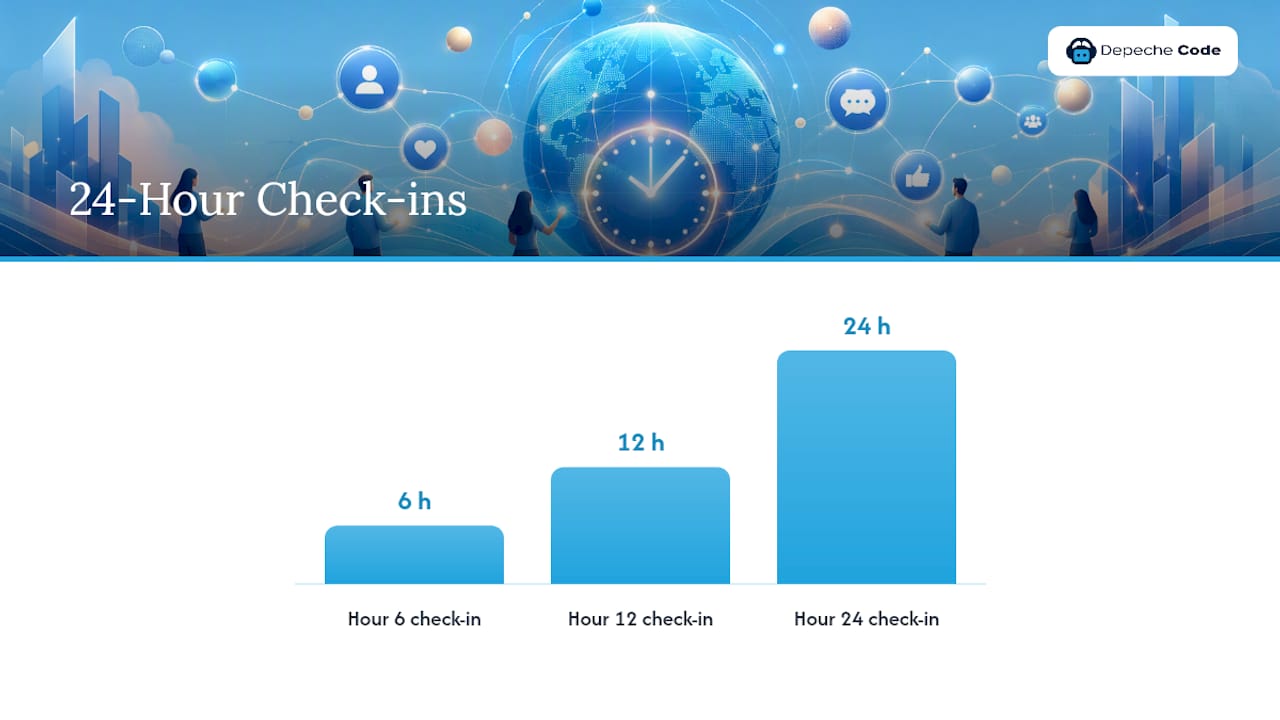
- Schedule a check-in at hour 6, hour 12, and hour 24 to reassess severity.
Pro Tips, Common Mistakes, and Red Flags
The three highest-leverage habits: rehearse your plan quarterly with a live tabletop exercise, pre-approve holding-message language with legal before you need it, and centralize monitoring so no one channel gets ignored during a fast-moving incident.
Pro Tip: The plan that only exists on paper fails the first time it’s tested live. Teams that run even one realistic simulation catch gaps, like an outdated contact list or an unclear approval chain, that a written document never reveals.
Common mistakes worth correcting now: delayed acknowledgment (silence past the first hour reads as evasion), inconsistent messaging across spokespeople and channels, and forgetting to brief employees, who often get asked about the crisis before official statements go out.
Red flags that should trigger immediate escalation regardless of your normal thresholds: a verified journalist or major influencer amplifying the story, any contact from a regulator or law enforcement, or evidence the issue involves customer safety.
How This Guide Was Built
This guide synthesizes established crisis-communication frameworks, government and industry toolkits, and practitioner playbooks rather than a single vendor’s opinion. Depechecode’s team draws on hands-on social media management work with client accounts across industries to translate those frameworks into operational steps.
Sources informing this playbook include:
- The United Nations crisis communication toolkit
- Industry crisis-management guides from Sprinklr and Sprout Social
- Small-business focused templates and tabletop-practice recommendations from public-sector and academic resources
What a Good Crisis Drill Actually Reveals
A well-run 90-minute tabletop exercise should surface at least one real gap in your plan, whether that’s an outdated contact number or an unclear sign-off chain, before an actual crisis exposes it publicly.

In one common scenario used for drills, a fictional data-exposure incident brings together the crisis lead, IT, legal, and the social media manager. The exercise usually breaks somewhere predictable: the “approved” spokesperson is unreachable, or nobody remembers who has the login to the brand’s main account. Fixing that one gap, usually by naming a backup spokesperson, is worth more than another round of plan edits nobody will read.
Run this drill at least twice a year, and always debrief immediately afterward while the gaps are still fresh.
How Depechecode Supports Social Media Crisis Readiness
Depechecode helps businesses build the monitoring and response infrastructure that turns a crisis plan from a document into something your team can actually execute under pressure. Rather than scrambling to piece together monitoring tools and messaging workflows mid-crisis, you get an agency partner who’s already set up the systems before you need them.

That readiness work covers a few concrete pieces:
- Ongoing social media management that keeps your channels active, monitored, and consistent so a crisis doesn’t hit an already-neglected presence.
- Content planning and scheduling support that makes pausing and adjusting posts fast when something needs to change immediately.
- Website and newsroom support so your crisis statements have a fast, discoverable home beyond social feeds, which matters both for readers and for how AI tools summarize breaking incidents.
If your current plan lives in someone’s inbox and hasn’t been tested since it was written, start with a readiness conversation. Depechecode’s website design and development team can help you set up a newsroom page ready to publish structured updates fast, and the social media services team can build the monitoring and response workflow your business is currently missing. Reach out to scope a readiness audit before you need one.
Sources
Build your own plan and training program using these resources alongside this guide:
- Crisis Communication Toolkit (United Nations Office of Counter-Terrorism)
- Social Media Crisis Management: Complete Guide (Sprinklr)
- How to Build a Social Media Crisis Management Strategy | Sprout Social
- Crisis Communication and Social Media Best Practice Guide (CIPR)
FAQ
What Is Social Media Crisis Management?
It’s the process of detecting, responding to, and recovering from reputation threats on public platforms, combining monitoring, pre-approved messaging, and a defined chain of command to act within minutes rather than hours.
What Is Social Crisis Management?
The term is generally used interchangeably with social media crisis management: managing how an organization detects and responds to reputation threats that surface or spread on public social platforms.
What Are the 5 Cs of Crisis Communication?
The CIPR framework defines them as Concern, Clarity, Control, Confidence, and Competence, five qualities a response should demonstrate to reassure stakeholders during an active incident.
How Do I Create a Social Media Crisis Management Plan?
Start with five elements: active monitoring, secured accounts, a roles and escalation matrix, pre-approved message templates, and a newsroom page ready to publish structured updates fast. Test the plan with a tabletop drill before you need it for real, and consider working with a social media management partner like Depechecode if you lack in-house monitoring capacity.
How Fast Should a Business Respond to a Social Media Crisis?
Publish an initial holding statement within 15 to 20 minutes of confirming the issue is real, then follow with a fuller newsroom update within 90 minutes as the crisis team assembles facts.